
In a decisive move that cements the multi-chain reality of Web3, MetaMask has officially integrated native support for the Tron network, completing a strategic trifecta of non-EVM compatibility alongside Solana and Bitcoin.
A New Era for Cross-Chain Interoperability
The landscape of digital asset management is undergoing a seismic shift. For years, the industry was fragmented between Ethereum Virtual Machine (EVM) compatible chains and high-performance alternative Layer 1 networks like Solana. Users were often forced to juggle multiple wallet applications—Phantom for Solana, TronLink for Tron, and MetaMask for Ethereum—creating significant friction in the user experience.
MetaMask, the wallet provider historically synonymous with the Ethereum ecosystem, has systematically dismantled these barriers. Following its pivotal integration of Solana and Bitcoin, the addition of Tron support marks the culmination of a broader strategy to become a universal gateway for the decentralized economy. This development is particularly significant for the Solana ecosystem, as it further bridges the gap between Solana's high-speed DeFi environment and the immense stablecoin liquidity residing on other networks.
Ecosystem Convergence
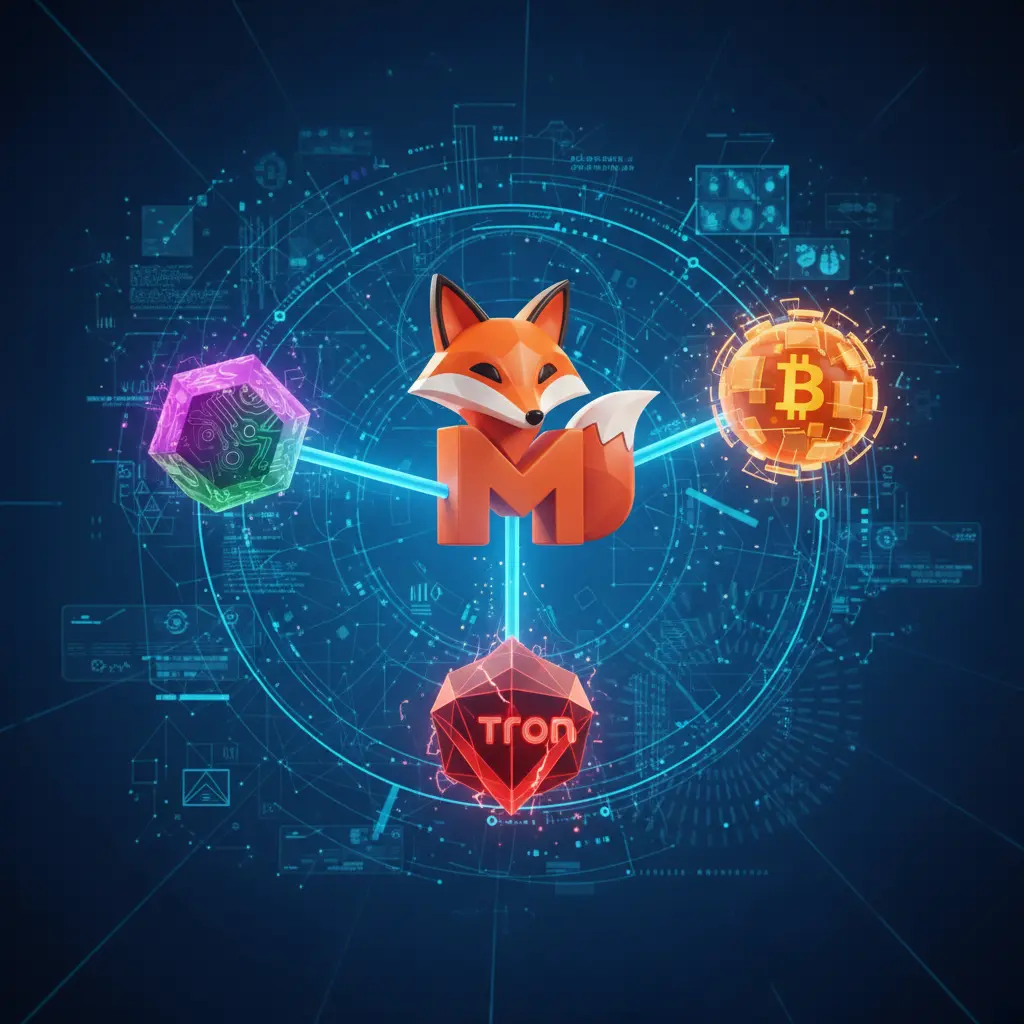
With this update, MetaMask now natively supports the industry's three largest non-EVM networks: Solana, Bitcoin, and Tron. This unification allows users to manage a diversified portfolio across distinct blockchain architectures without leaving a single interface.
Solana's Role in the Multi-Chain Future
While the headline news involves Tron, the deeper implication is the validation of Solana's status as an indispensable pillar of the crypto economy. MetaMask's roadmap has clearly prioritized networks that command significant user attention and transaction volume. By integrating Solana earlier, and now complementing it with Tron, MetaMask is acknowledging that the future is not winner-take-all, but rather a coexistence of specialized networks.
For Solana users, this integration streamlines capital efficiency. Solana has established itself as the premier destination for decentralized finance (DeFi) and high-frequency trading, while Tron has carved out a niche as a dominant transport layer for USDT stablecoins. Previously, moving value between these two giants required complex bridging solutions or centralized exchanges. The unification of these chains under one wallet interface suggests a future where cross-chain swaps and liquidity migration become seamless.
Native integration represents a milestone in multi-chain expansion, joining Solana and Bitcoin as non-EVM networks now accessible through a unified interface. This meets users where they are in a truly universal gateway.
Breaking Down the Technical Silos
The integration introduces native support that extends across both mobile applications and browser extensions. This ensures a consistent user experience whether a trader is interacting with a Solana DEX on their desktop or managing Tron-based assets on the go. Key features include the ability to execute swaps between the Tron network and other supported chains, including the EVM ecosystem, Solana, and Bitcoin.
This technical achievement addresses the fragmentation that has long plagued the industry. Users can now send USDT, stake assets, and perform transactions across disparate architectures without the mental overhead of switching contexts. For a Solana developer or investor, this reduces the friction of onboarding new capital from other ecosystems, potentially increasing the total value locked (TVL) within Solana protocols as barriers to entry are lowered.
Market Metrics: Solana vs. The Field
The decision to integrate these specific networks is backed by undeniable market data. Solana and Tron represent two of the most active networks in the blockchain space, though they serve slightly different use cases. Data from on-chain analytics platforms reveals the scale of this convergence.
Tron currently hosts approximately 3 million daily active wallets and secures roughly $4.7 billion in DeFi assets. However, its primary utility remains stablecoin transfers, processing over $21 billion in daily volume. In contrast, Solana dominates in genuine DeFi innovation, NFT volume, and decentralized exchange (DEX) activity. By bringing these two distinct value propositions under one roof, MetaMask is enabling a symbiotic relationship where capital can flow more freely between Tron's stablecoin reservoirs and Solana's yield-generating opportunities.
The Strategic Pivot from Ethereum-Centricity
MetaMask is a product of Consensys, a firm deeply rooted in Ethereum development. The shift to embrace Solana and other non-EVM chains represents a pragmatic recognition of market realities. The "Ethereum Killer" narrative has died, replaced by a functional multi-chain reality where Solana thrives alongside Ethereum.
Christian Montoya, MetaMask’s Multichain Product Lead, noted that while MetaMask is the original Ethereum wallet, the exploration of expanding beyond EVM has been a long-term goal. This pivot aligns with the growing dominance of Solana in the decentralized application space, where user experience and transaction speed are paramount. By supporting Solana, MetaMask ensures it retains relevance among a new generation of crypto users who prioritize performance over legacy compatibility.
Implications for DeFi and Adoption
The broader ecosystem implications of this update are profound. As interoperability and chain abstraction become standard, the technical differences between Layer 1 blockchains will fade into the background for the end user. A user may hold assets on Solana for trading speed, store value in Bitcoin, and utilize Tron for payments, all managed via a single seed phrase.
This development reinforces the industry-wide trend toward reducing complexity. For Solana, having first-class citizenship in the world's most popular non-custodial wallet opens the door to millions of users who may have been hesitant to download a separate wallet like Phantom or Solflare. While dedicated Solana wallets still offer superior, specialized features, MetaMask's integration serves as a massive funnel for mainstream adoption.
Looking Ahead
As the integration rolls out globally, the focus shifts to how developers will leverage this unified infrastructure. We can expect to see more dApps that natively support multi-chain interactions, allowing users to sign transactions for Solana and other networks in a single session. This moves the industry closer to the "Holy Grail" of Web3: an experience where the underlying blockchain is invisible to the user, and only the utility matters.
With Solana, Bitcoin, and Tron now fully integrated, MetaMask has effectively covered the vast majority of the active cryptocurrency market cap and user base. This consolidation heralds a mature phase for the industry, where competition happens at the application layer rather than the infrastructure access layer.