
In a transformative development for real-world cryptocurrency utility, mobile payments application Oobit has officially integrated Phantom, the premier non-custodial wallet of the Solana ecosystem. This strategic partnership unlocks the ability for millions of users to spend their digital assets directly at over 80 million retailers worldwide.
Bridging Decentralized Finance and Traditional Commerce
The gap between holding cryptocurrency and spending it in daily life has long been a significant barrier to mass adoption. On January 15, Oobit, a payment platform backed by stablecoin giant Tether, announced a native integration with Phantom that effectively dismantles this barrier. This development connects the high-speed, low-cost Solana network directly to Visa’s global payment infrastructure.
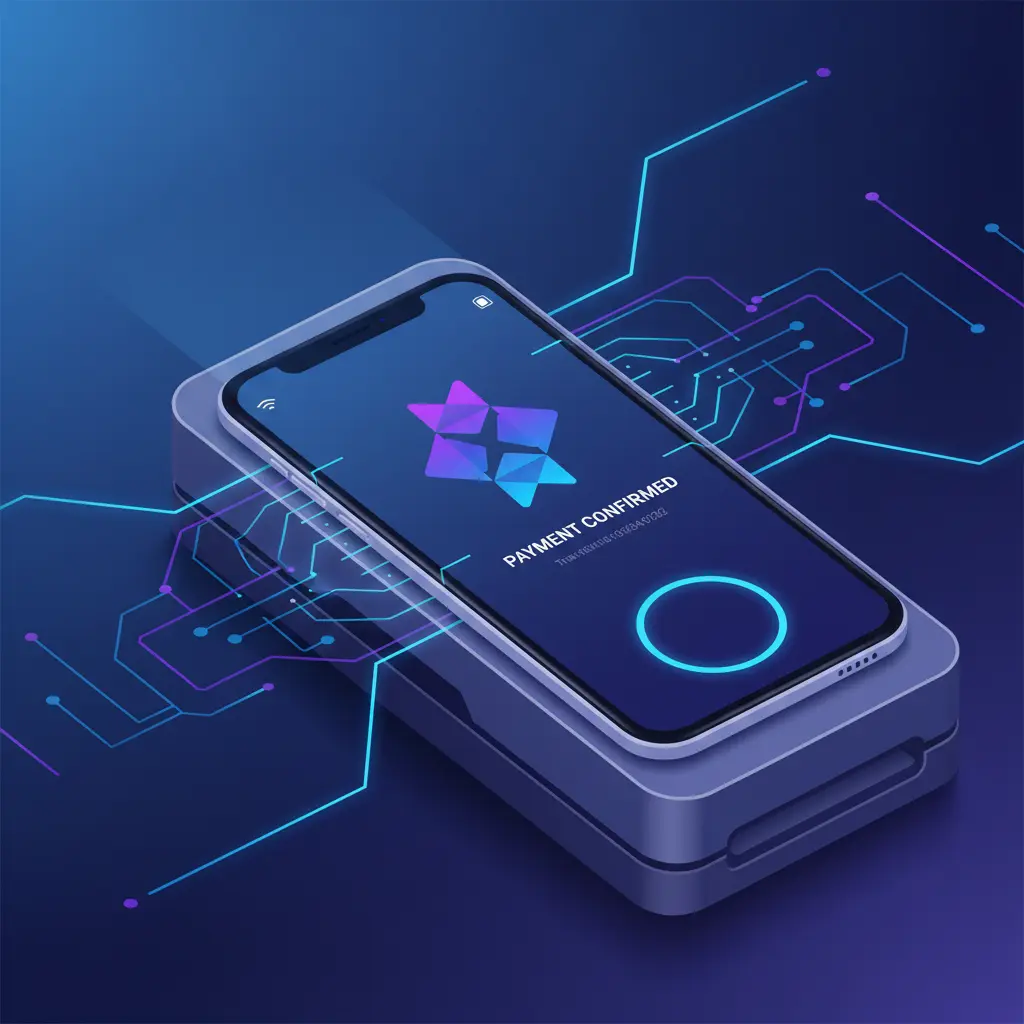
Unlike previous iterations of crypto-debit cards that functioned more like prepaid gift cards, this integration leverages Oobit’s proprietary technology to facilitate direct payments. Users can now walk into any coffee shop, grocery store, or retail outlet that accepts Visa and pay using their Solana holdings via their smartphone. The system utilizes Near Field Communication (NFC) technology, mirroring the user experience of Apple Pay or Google Pay, but with the underlying assets sourced from a Web3 wallet.
The 'Just-in-Time' Advantage
The standout feature of this integration is its settlement mechanism. Funds are not locked in a custodial account weeks in advance. Instead, the conversion from crypto to fiat happens milliseconds before the transaction is finalized at the Point of Sale.
The Shift to Non-Custodial Payments
One of the most critical aspects of this integration is the preservation of self-custody. In the traditional crypto card model, users are typically required to transfer their assets to a centralized exchange or a third-party provider, effectively giving up control of their private keys in exchange for liquidity. This model, while functional, contradicts the core ethos of cryptocurrency: "Not your keys, not your coins."
The Oobit and Phantom partnership fundamentally changes this dynamic. Users retain full control of their assets within their Phantom wallet until the exact moment of purchase. There is no requirement to pre-load a debit card or lock funds into a centralized vault.
By keeping assets on-chain until the point of sale, Oobit and Phantom are delivering on the promise of true decentralized finance utility without compromising on convenience or security.
When a user taps their phone to pay, Oobit’s DePay solution initiates a request. The necessary amount of SOL or stablecoins (like USDT or USDC) is deducted from the Phantom wallet, instantly converted to the local fiat currency (USD, EUR, BRL, etc.), and settled with the merchant. The merchant receives fiat currency as they would with any standard credit card transaction, completely unaware that the source of funds was cryptocurrency. This seamless conversion removes the volatility risk and accounting headaches for merchants, making acceptance universal.
Unlocking Value for 15 Million Users
The choice of Phantom as a partner is strategic. As the dominant wallet in the Solana ecosystem, Phantom boasts an active user base of approximately 15 million people. These users are typically highly active in decentralized finance (DeFi), NFT trading, and on-chain activities. By integrating with Oobit, these assets—which were previously confined to the digital realm—gain immediate liquidity in the physical world.
Why Solana Matters in Payments
The suitability of the Solana blockchain for this type of application cannot be overstated. For a "Tap & Pay" system to function effectively at a checkout counter, speed is non-negotiable. Customers cannot wait minutes for block confirmations while a line forms behind them.
Solana’s architecture, known for its high throughput and sub-second finality, is uniquely positioned to handle retail payments. The network’s low transaction fees also ensure that purchasing a $4 coffee doesn't incur $10 in gas fees, a problem that has historically plagued payment attempts on slower, more expensive chains. This technical synergy between Oobit’s conversion layer and Solana’s base layer creates a payment experience that rivals, and in some ways exceeds, traditional banking rails.
Tether's Strategic Backing and Global Expansion
This integration follows a period of aggressive expansion for Oobit, bolstered by strategic investment from Tether, the issuer of the world's largest stablecoin, USDT. Tether’s involvement signals a broader industry push to transition stablecoins from purely trading instruments to actual mediums of exchange.
Oobit has been systematically widening its operational footprint to capture key markets. Following its initial success, the company expanded services into the United States in late 2025 through a partnership with Bakkt, a prominent digital asset platform. Furthermore, the company has established a strong presence in Brazil, a nation that has become a global leader in crypto adoption and fintech innovation.
Regulatory Compliance and Consumer Protection
Operating a global payment bridge requires navigating a complex web of regulations. By utilizing the existing Visa network, Oobit bypasses the need to onboard individual merchants, a task that would be logistically impossible on a global scale. Instead, they rely on the established Point-of-Sale (POS) hardware that is already ubiquitous.
From a consumer protection standpoint, the non-custodial nature of the Phantom integration offers a layer of security that centralized alternatives cannot match. Since Oobit does not hold user funds, the risk of loss due to platform insolvency—a fear exacerbated by the collapse of entities like FTX and Celsius—is significantly mitigated. Users are only exposed to the platform for the split second it takes to execute the transaction.
The Future of Web3 Commerce
The Oobit-Phantom integration represents a maturing of the cryptocurrency industry. We are moving away from the speculative phase, where assets are held solely for capital appreciation, toward a utility phase, where digital assets function as genuine currency.
As we look toward the remainder of the year, the success of this integration could force other major wallet providers and payment gateways to adopt similar non-custodial models. If the friction of spending crypto continues to decrease, the distinction between a "crypto wallet" and a "bank account" will become increasingly blurred.
Fee Structures and Economics
While the user experience is seamless, potential users should remain aware of the economic mechanics. While Oobit has streamlined the process, standard network gas fees (paid in SOL) and conversion spreads likely apply. However, given Solana’s negligible gas costs, the primary cost consideration for users will be the spread on the asset-to-fiat conversion rate. As competition in this sector heats up, we can expect these costs to compress, further incentivizing the use of crypto for everyday purchases.
In summary, the ability to buy groceries with SOL via a simple phone tap is no longer a futuristic concept—it is a live reality for millions of users today. This integration marks a pivotal moment where the digital economy and the physical economy finally begin to merge.