
At Solana Breakpoint 2025, Solana Mobile announced its most ambitious distribution play yet: moving beyond its own Saga and Seeker smartphones to integrate the Solana Mobile Stack directly into Android chipsets manufactured by MediaTek—a company that powers roughly 50% of all Android devices globally.
This isn't another blockchain phone from a niche crypto company. This is blockchain functionality baked into the silicon that powers hundreds of millions of mainstream Android devices from brands like Xiaomi, OPPO, Samsung, Motorola, and others. If successful, Solana Mobile's December 13 announcement could represent the largest potential distribution expansion in crypto hardware history.
The Scale of MediaTek's Reach
To understand why this matters, you need to grasp MediaTek's dominance in the global smartphone chipset market.
MediaTek by the Numbers
- Global Market Share: 26-36% of all smartphone SoCs (Q1 2025)
- Android Market Share: ~50% of Android devices globally
- Shipment Volume: 53+ million 5G smartphones in Q1 2024 alone
- Key Customers: Xiaomi, OPPO, Samsung, Motorola, Transsion
MediaTek's strength lies in the mass market: affordable 5G smartphones priced $150-400 that dominate emerging markets like India, Southeast Asia, Latin America, and Africa—exactly where crypto adoption often outpaces traditional banking infrastructure.
Why MediaTek, Not Qualcomm?
Solana Mobile could have pursued Qualcomm (Snapdragon), which powers premium flagships like Samsung Galaxy S-series and Google Pixel. But MediaTek offers superior distribution advantages:
- Volume Over Premium: MediaTek ships more units globally, especially in price tiers where crypto adoption is highest.
- Emerging Market Focus: Strong presence in regions where blockchain solutions solve real problems.
- 5G Leadership: MediaTek now leads Qualcomm in 5G smartphone market share.
What "Chipset-Level Integration" Actually Means
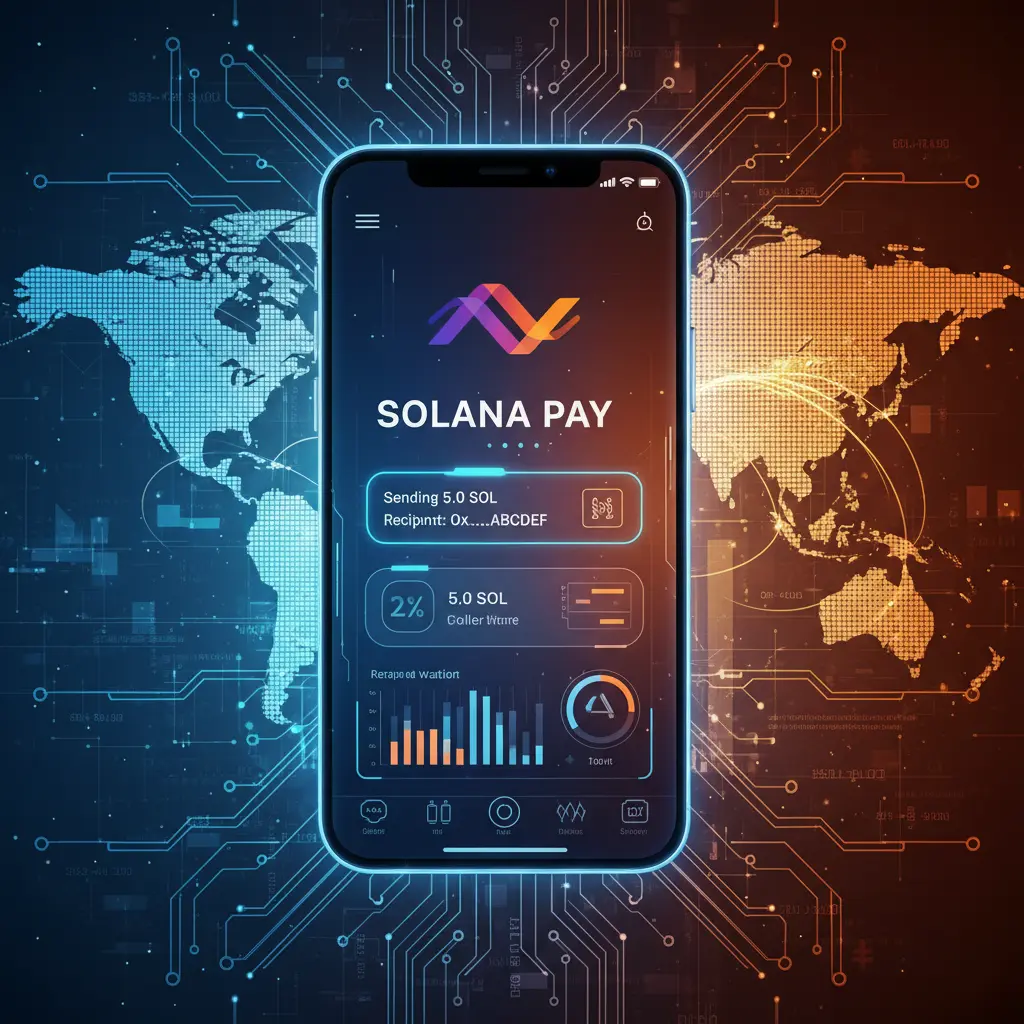
Solana Mobile isn't asking manufacturers to install an app. They're building the Solana Mobile Stack into the secure enclave at the hardware level—the same trusted execution environment (TEE) that stores biometric data and payment credentials.
The Technical Architecture
The integration involves three key layers working in unison:
- Trusted Execution Environment (TEE): Private keys are stored in a hardware-isolated secure enclave, offering the same security level as fingerprint data. Keys are never exposed to the Android OS.
- Solana Mobile Stack Components: Includes the Seed Vault for hardware-backed key management and the Mobile Wallet Adapter for standardized dApp connections.
- Hardware Integration Kit: A deployable module for device manufacturers to implement native support easily.
How It Works for End Users
For a user buying a Xiaomi phone with a MediaTek Dimensity 8400, the experience is seamless. Upon first boot, the phone detects Solana hardware support. Users can create a wallet directly in device settings, similar to setting up Samsung Pay. Transactions are approved via biometrics, with keys never leaving the secure chip.
The Distribution Math: Why This Changes Everything
Let's run the numbers on potential reach compared to current Solana hardware.
Current vs. Potential Distribution
Current Solana Mobile devices (Saga and Seeker) account for approximately 120,000 to 170,000 units. In contrast, MediaTek ships roughly 400-500 million devices annually. Even assuming a conservative 5% adoption rate of the integration in MediaTek devices, that represents 20-25 million devices—100x more than Saga and Seeker combined.
Geographic Distribution
MediaTek's strength in emerging markets aligns perfectly with crypto's value proposition:
- India: 300+ million MediaTek devices (High crypto adoption)
- Southeast Asia: 200+ million devices (Remittance use cases)
- Latin America: 150+ million devices (Inflation hedging)
- Africa: 100+ million devices (Mobile-first economy)
The SKR Token: Incentivizing the Ecosystem
Announced December 3, 2025, the SKR token provides economic infrastructure to align incentives across the Solana Mobile ecosystem. It is designed to solve the "chicken-and-egg" problem of hardware adoption.
SKR Token Economics
- Total Supply: 10 billion SKR
- Launch Date: January 2026
- Distribution: 30% to Airdrops, 25% for Ecosystem Growth, 15% to Team, with the remainder for liquidity and treasury.
SKR creates a token economy that makes crypto hardware integration profitable for all participants. Manufacturers receive partnership allocations, users earn rewards for device authentication, and developers get grants for building compatible apps.
Competitive Landscape: Learning from Past Failures
Solana Mobile isn't the first to attempt blockchain-integrated smartphones. Previous attempts like the HTC Exodus and Sirin Labs Finney failed due to high prices and niche appeal.
Old Model: Build specialized hardware, market to crypto users, hope for adoption.
New Model: Integrate into existing mass-market hardware, let users discover utility organically.
What Makes Solana Mobile + MediaTek Different
- Mass Market Pricing: Integration in $200-400 devices rather than $1,000 flagships.
- No Price Premium: Crypto features are added to existing devices; users don't pay extra.
- Ecosystem First: Over 100 apps are already available in the Solana dApp Store.
Technical Challenges and Risks
Despite the compelling vision, significant execution challenges remain. Security researchers have previously identified vulnerabilities in consumer chips, highlighting that mass-market silicon wasn't originally designed for crypto-grade security. Solana Mobile is mitigating this via multi-layer security protocols and insurance funds.
Adoption Barriers
Manufacturer hesitation remains a hurdle. While MediaTek provides the chipset, OEMs like Xiaomi or Motorola must choose to enable the features. Regulatory uncertainty in markets like China and India could also limit the rollout of specific features like the dApp Store.
Conclusion: From Niche to Mainstream
Solana Mobile's MediaTek integration represents a strategic inflection point. If Solana Mobile executes successfully, December 13, 2025, will be remembered as the moment crypto went mainstream—not through Super Bowl ads, but through hundreds of millions of people in emerging markets discovering they can transact securely using the phone they already own.