
In a significant development for the cryptocurrency hardware wallet market, Trezor has officially expanded its ecosystem to include the Solana blockchain, offering robust cold storage solutions for SOL and SPL tokens.
A Milestone for Cold Storage Security
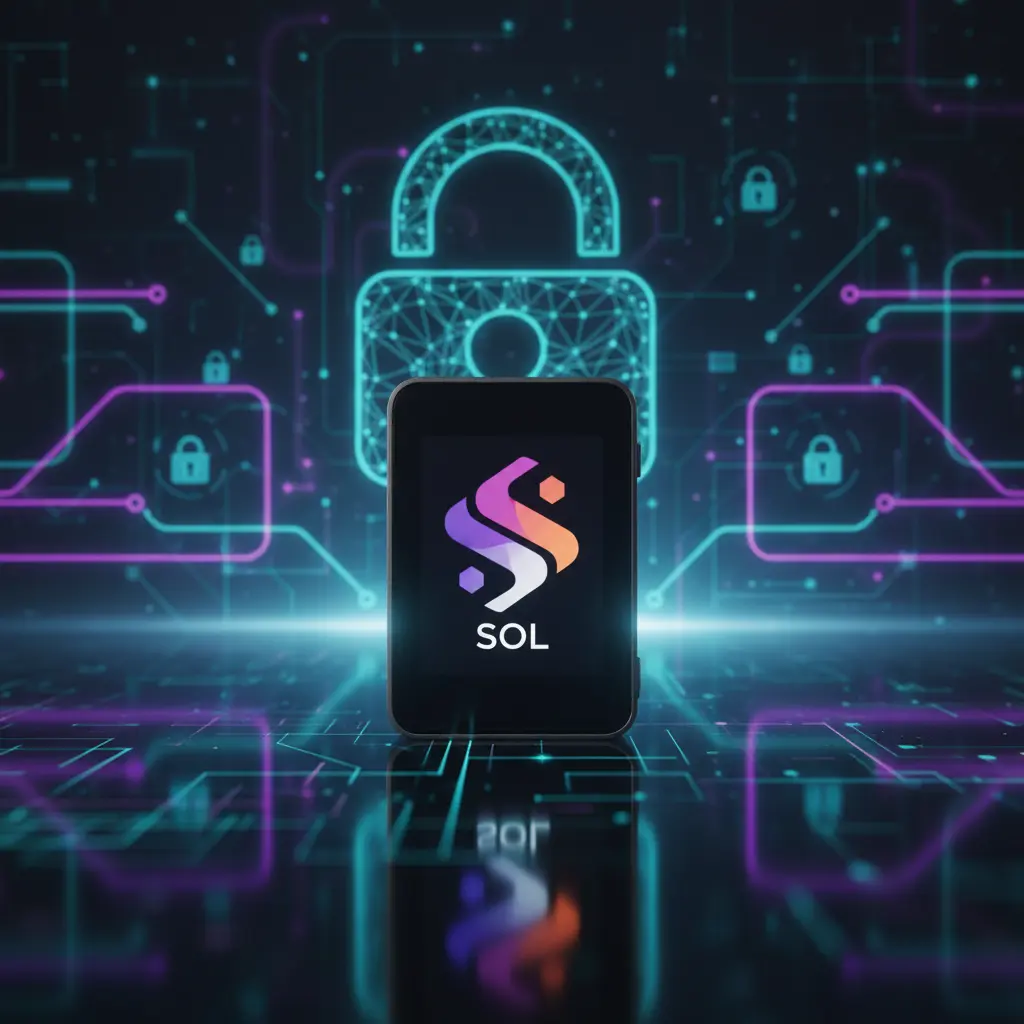
Trezor, a pioneer in the hardware wallet industry, has finally answered the long-standing request of the crypto community by integrating support for the Solana blockchain. This strategic update allows users of the Trezor Safe 3 and the premium Model T devices to securely store, send, and receive Solana (SOL) as well as Solana Program Library (SPL) tokens. As the Solana network continues to capture market share with its high-throughput capabilities, the need for reliable, non-custodial storage solutions has never been more critical.
This integration marks a pivotal moment for Solana investors who have historically had fewer hardware wallet options compared to Ethereum or Bitcoin holders. By bringing the Solana ecosystem under the Trezor umbrella, the manufacturer is bridging the gap between high-speed decentralized finance (DeFi) activity and institutional-grade security.
Device Compatibility Specs
The new Solana support is available immediately on the Trezor Safe 3 (featuring a dedicated secure element chip) and the touchscreen-enabled Model T. Both devices now support over 8,000 digital assets.
Understanding the SPL Token Integration
The scope of this update extends beyond the native SOL coin. The inclusion of SPL token support is a game-changer for active participants in the Solana ecosystem. Similar to Ethereum's ERC-20 standard, the SPL standard is the blueprint for fungible tokens on the Solana network. This means that users can now secure a vast array of assets, including stablecoins like USDC, governance tokens from major DeFi protocols, and meme coins that have recently surged in popularity.
Enhancing DeFi Interaction
With this integration, users can manage their diverse portfolios directly through their hardware devices. This is particularly relevant as Solana shifts its focus toward becoming a robust financial infrastructure layer. The ability to keep DeFi assets in cold storage while maintaining accessibility is a crucial feature for the maturing market.
The Security Paradox: Hardware vs. Social Engineering
The announcement of this technical achievement arrived amidst a turbulent backdrop. In a stark reminder of the multifaceted nature of cybersecurity, Trezor's official X (formerly Twitter) account was compromised shortly before the integration news broke. Malicious actors utilized the trusted platform to disseminate phishing links promoting fraudulent token presales, specifically targeting the Solana community.
Hardware security is absolute, but operational security is variable. The breach of a social media account highlights that while your private keys may be safe offline, the human element remains the primary attack vector.
This incident serves as a critical case study in the distinction between device security and information security. While the Trezor devices themselves remained impenetrable—requiring physical confirmation for any transaction—the social engineering attack exploited user trust. It underscores the necessity for investors to verify information through multiple official channels, regardless of the source's reputation.
Solana's Pivot to Financial Infrastructure
The timing of Trezor's support aligns perfectly with Solana's broader strategic evolution. Armani Ferrante, CEO of Backpack, recently highlighted that the Solana ecosystem has spent the last year "doubling down on financial infrastructure." The network is moving beyond its initial growth phase into a period of maturation, focusing on payments, stablecoin settlement, and sophisticated DeFi applications.
As institutional interest in Solana grows, so does the demand for secure custody. Financial institutions and high-net-worth individuals require the assurance that their assets are protected by air-gapped hardware rather than relying solely on software wallets or exchange custody. Trezor's entry into the Solana space provides this necessary layer of assurance, potentially accelerating institutional adoption.
Market Context and Price Performance
The integration arrives during a period of intense market activity for Solana. Following a remarkable rally that saw the price of SOL surge by over 266% since October, interest in the network is at a yearly high. Search engine queries for Solana-related topics have spiked, indicating a new wave of retail entry into the ecosystem.
The Demand for Self-Custody
As asset values rise, the psychological barrier to investing in hardware security lowers. Investors who purchased SOL at $20 and watched it climb are now holding portfolios of significant value, making the modest investment in a hardware wallet a logical step. The addition of SOL to Trezor's interface offers these investors a seamless transition from hot wallets to cold storage without leaving the ecosystem they prefer.
Technical Outlook and Future Implications
Looking ahead, the convergence of high-performance blockchains and established security hardware suggests a positive trend for the industry. As users become more sophisticated, the demand for interoperability between cold storage and dApps will likely drive further innovation. Trezor's support for the SPL standard implies that future updates could potentially offer deeper integrations with Solana's staking mechanisms and NFT standards, further solidifying the bond between hardware security and on-chain utility.
Ultimately, while social media breaches serve as a cautionary tale, the fundamental technology continues to advance. The ability to secure Solana assets on a Trezor device represents a significant step forward in making self-custody accessible, secure, and compatible with the next generation of blockchain finance.