

In a strategic pivot that highlights the growing interoperability of the Web3 gaming sector, Parallel Studios has announced the launch of 'Colony,' a survival simulation game built on the Solana blockchain, driving the PRIME token to new heights.
A Strategic Expansion to Solana
Parallel Studios, the creative force behind the highly acclaimed Ethereum-based trading card game (TCG) Parallel, is officially expanding its ecosystem with the introduction of Colony. This new title marks a significant departure from the studio's exclusive focus on Ethereum, leveraging the high-speed, low-cost infrastructure of the Solana network to power complex gameplay mechanics.
The decision to build on Solana represents a calculated move to address the technical demands of modern Web3 gaming. While Ethereum remains the premier layer for high-value asset settlement and security, Solana's architecture is uniquely suited for high-frequency interactions required by survival simulations and active gaming environments. This multi-chain approach suggests a maturing landscape where developers select blockchain infrastructure based on specific use cases rather than tribal loyalty to a single network.
Market Reaction
Following the announcement, the native PRIME token surged to all-time highs, outperforming the broader GameFi sector and signaling strong investor confidence in Parallel's multi-chain strategy.
Generative AI: The Core of Colony
At the heart of Colony lies a sophisticated integration of generative artificial intelligence, setting it apart from traditional crypto games. The gameplay is described as a "survival simulation," where the environment and its inhabitants are not merely scripted entities but dynamic agents capable of evolving behavior.
These AI-driven agents, or "avatars," possess a level of autonomy that promises to redefine player interaction. Unlike standard Non-Player Characters (NPCs) that follow rigid decision trees, the generative agents in Colony can theoretically learn, adapt, and react to player inputs in unpredictable ways. This integration of Large Language Models (LLMs) or similar AI architectures directly into the gameplay loop represents the frontier of the "AI x Crypto" narrative.
Colony isn't just a game; it's a testing ground for semi-autonomous digital agents living on-chain, bridging the gap between static NFTs and dynamic artificial intelligence.
Leveraging Existing Assets
Parallel Studios is prioritizing ecosystem cohesion by utilizing its existing Parallel Avatar NFTs as the primary playable characters in Colony. This strategy rewards long-term holders of the studio's Ethereum-based assets by providing them with immediate utility in the new Solana environment.
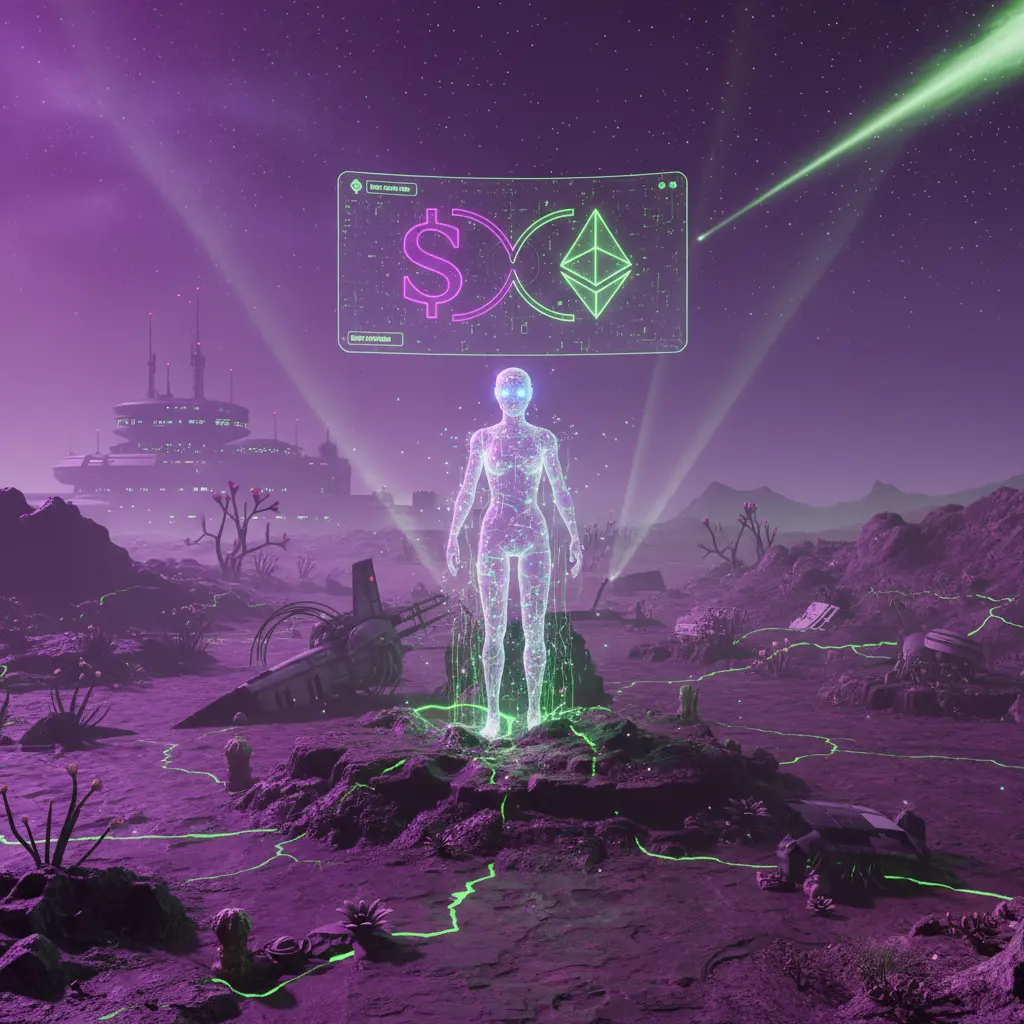
By bridging the utility of these assets across chains, Parallel is effectively creating a unified gaming economy that spans multiple networks. This interoperability ensures that the value accrued in the original Ethereum TCG is not isolated but rather amplified by the expansion into the Solana ecosystem.
Tokenomics and The Bridged Economy
The economic engine of Colony is fueled by the PRIME token. Although PRIME was minted natively on Ethereum, the studio has implemented a bridging mechanism to allow the token to function seamlessly within the Solana-based game. In Colony, players will interact with a wrapped version of PRIME, maintaining the token's total supply integrity while enabling fast, low-cost in-game transactions.
The Play-to-Earn Structure
The game introduces a distinct economic hierarchy based on asset ownership. While the game is accessible to the public, the economic benefits are gated to incentivize investment in the ecosystem:
- Avatar Owners: Players who own an NFT Avatar are eligible to earn wrapped PRIME tokens as crypto rewards. They can also mint new items found or crafted in the game as unique NFTs, allowing them to transfer and sell these assets on secondary markets.
- Free-to-Play Users: The game features a robust free-to-play mode, ensuring broad accessibility. However, these users cannot earn PRIME rewards, nor can they mint or transfer in-game items. This "try before you buy" model allows new users to experience the gameplay without upfront costs while preserving the economic value for investors.
Governance and Decentralized Expansion
Looking toward the future, the Colony whitepaper outlines a roadmap heavily influenced by decentralized governance. A key proposal involves the ability for PRIME token holders to vote on the minting of new avatars directly on Solana. This mechanism places the control of asset inflation and population growth in the hands of the community.
If implemented, this governance model would allow the player base to manage the delicate balance between asset scarcity and user growth. By democratizing these decisions, Parallel Studios is fostering a deeper sense of ownership among its community members, aligning the incentives of developers, players, and investors.
Implications for Web3 Gaming
The launch of Colony serves as a bellwether for the GameFi industry in 2026. It highlights three critical trends: the necessity of cross-chain infrastructure for scalability, the emergence of AI as a core gameplay differentiator, and the resilience of token economies that offer tangible utility. As the game moves closer to full public release, the industry will be watching closely to see if Solana's technical capabilities can support the ambitious AI computations required by Parallel's vision.